A multidisciplinary approach to the political, ethical, and legal impact of AI
Artificial intelligence is not solely a technological issue. Its effects extend to the political, legal, economic, and social spheres, even impacting our self-perception. What was once the realm of speculation is now part of everyday life, influencing decisions related to employment, justice, healthcare, education, and access to information. From this perspective, a multidisciplinary approach will be used to examine the real impact of these systems on human rights and democratic governance, building bridges between those who design them, those who regulate them, and those who are responsible for their oversight.
AI systems are not neutral: they learn from the data they receive, reproduce the biases it contains, and concentrate ever-increasing decision-making power in the hands of those who develop and deploy them. Therefore, the crucial questions are not merely technical, but profoundly democratic: who is held accountable when an algorithm errs, how is transparency ensured in increasingly opaque processes, and how is individual autonomy protected against systems designed to anticipate and guide decisions?.
The democratization of AI is not just an opportunity. It is also a crossroads: the decisions made, or omitted, will have direct consequences for fundamental rights and for the kind of society we want to build and guarantee for future generations. This course aims to move from vague concerns to informed judgment, offering technical, legal, and ethical insights to understand what is truly at stake and to participate knowledgeably in a debate that affects us all.
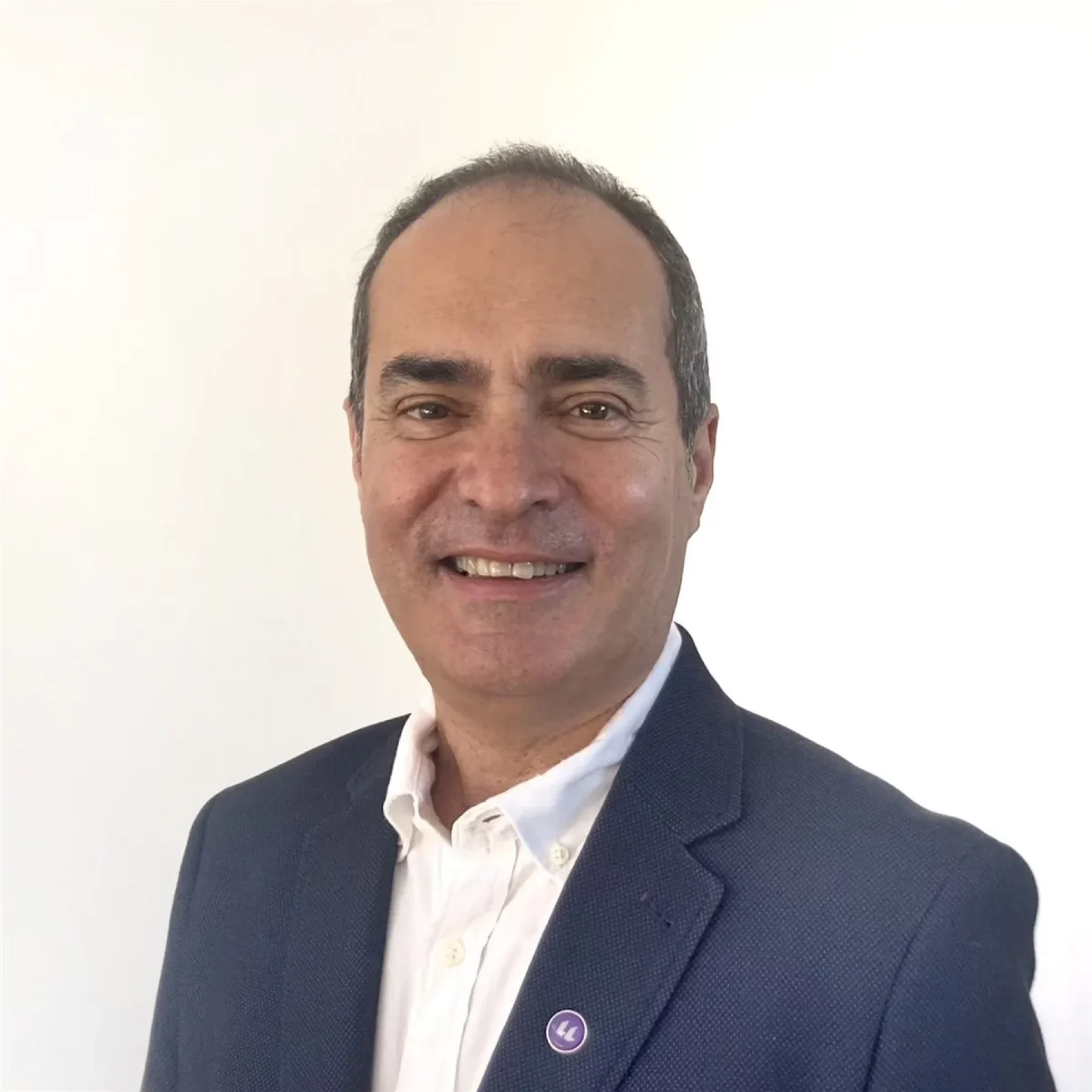
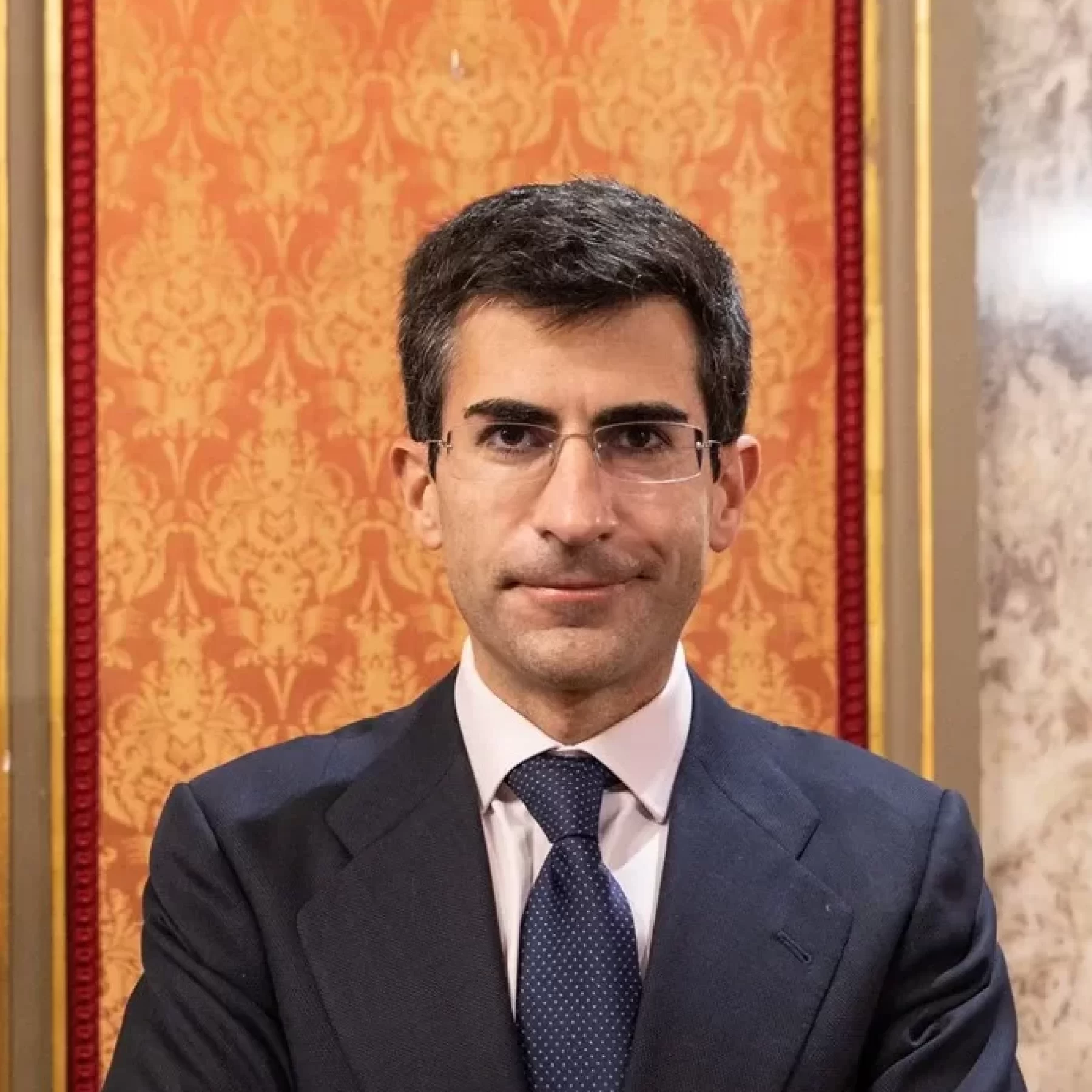
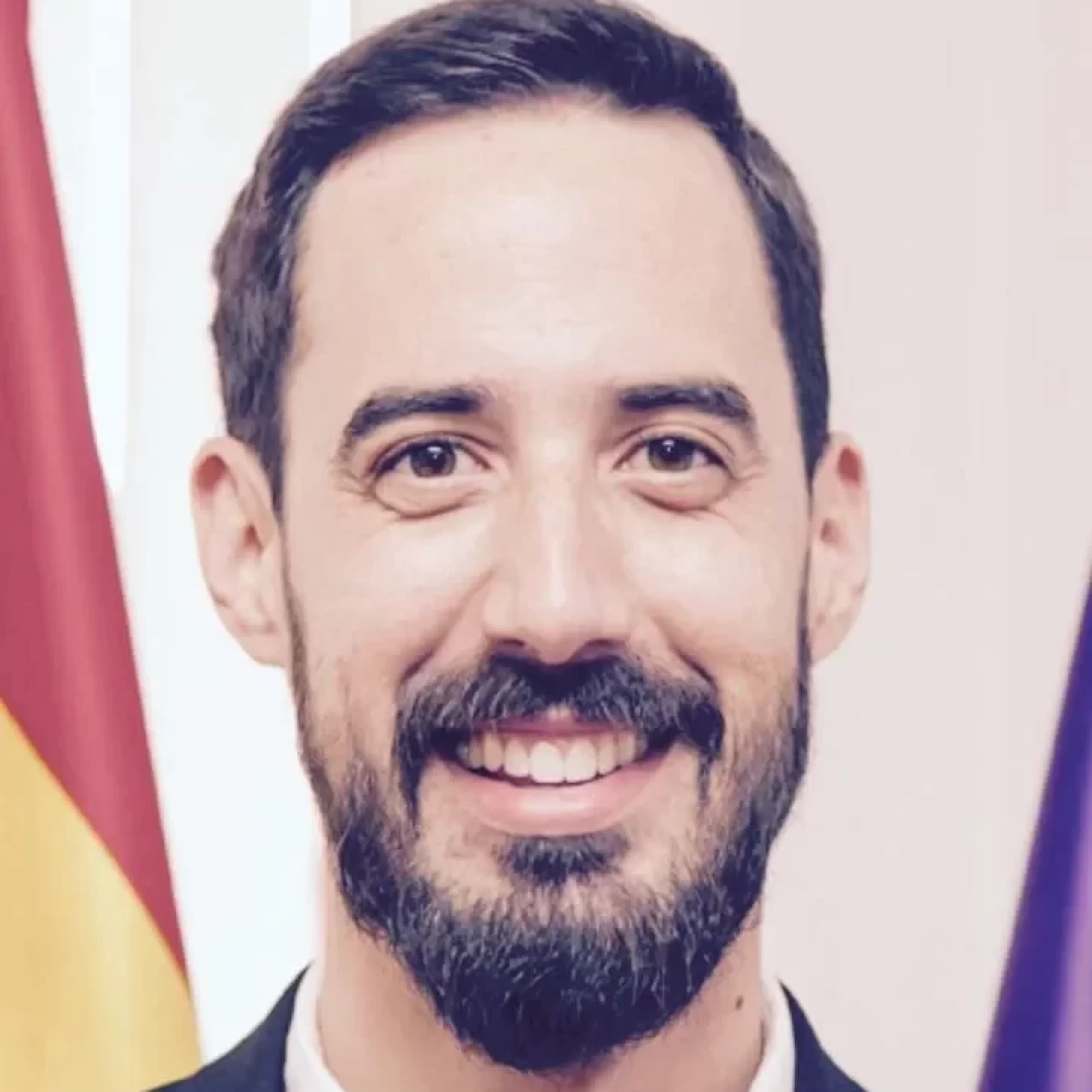
Directors Belén Melián Batista Professor of the area of Computer Science and Artificial Intelligence at the University of La Laguna.
Desiderio Gutiérrez Taño, University Professor in the area of Marketing in the Department of Business Management and Economic History at the University of La Laguna.
Speaker Desiderio Gutiérrez Taño, University Professor in the area of Marketing in the Department of Business Management and Economic History of the University of La Laguna.
The course is taught in person or can be followed live online.
University Professor in the area of Marketing in the Department of Business Management and Economic History of the University of La Laguna.
Belén Melián Batista
Professor in the area of Computer Science and Artificial Intelligence at the University of La Laguna.
Oscar Cordon Garcia
Professor of Computer Science and Artificial Intelligence at the University of Granada and founding director of the Virtual Teaching Center of this University.
Moisés Barrio Andrés
Professor of Digital Law at Carlos III University of Madrid. Legal Counsel to the Council of State.
Isabel Sánchez Berriel
Contracted Professor with a PhD in Computer Science and Artificial Intelligence at the University of La Laguna.
Carlos Trujillo Cabrera
Contracted Professor with a PhD in the Department of Basic Legal Disciplines at the University of La Laguna.
Carlos Martín Galán
Associate Professor of Computer and Systems Engineering at the University of La Laguna. Manager of IT Services at the Canary Islands Institute of Astrophysics.
Juan Albino Méndez
Professor of Systems Engineering and Automation at the University of La Laguna.
Idoia Salazar García
President of the Observatory of Social and Ethical Impact of AI (OdiseIA). Professor at the Faculty of Communication of the CEU San Pablo University.