

La Laguna, a city of dialogue and human rights
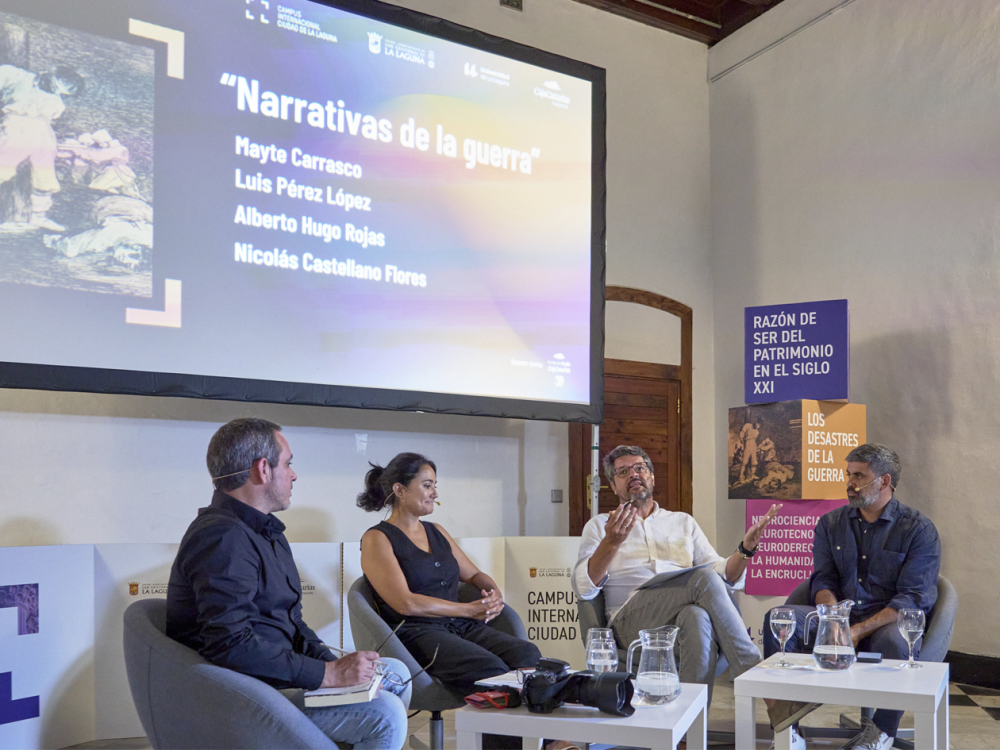
This international conference analyzes major contemporary challenges, focusing this year on the revitalization of democracy and human rights, heritage, global governance and international security, and the challenges of Artificial Intelligence. Held in the UNESCO World Heritage city of San Cristóbal de La Laguna, the event highlights the city's historical, cultural, and academic significance, and connects its identity to the principles of sustainability, innovation, and intercultural dialogue.
This edition invites reflection and debate on democracy. Institutions must respond effectively to the challenges of each era, and ours presents demands of unprecedented complexity. Revitalizing democracy is not a nostalgic exercise, but an urgent political and intellectual necessity, because it is the form of government that makes the effective exercise of human rights possible.
Current challenges greatly complicate this task. Artificial intelligence is already making decisions that affect fundamental rights: who gets credit, how public information is managed, and what each citizen sees in the digital space. Without democratic control over these processes, rights are left vulnerable.
Something similar happens with heritage. It's not just a matter of preservation: it's collective memory, identity, and a community's right to recognize itself in its own history. When democratic institutions weaken, heritage is the first thing to be exploited or abandoned.
The three themes of the Campus stem from this. Democracy, Artificial Intelligence, and heritage are not separate issues, but three different ways of formulating the same question: how do we build societies in which human rights are not just declarations?.

La Laguna, City of Culture and University
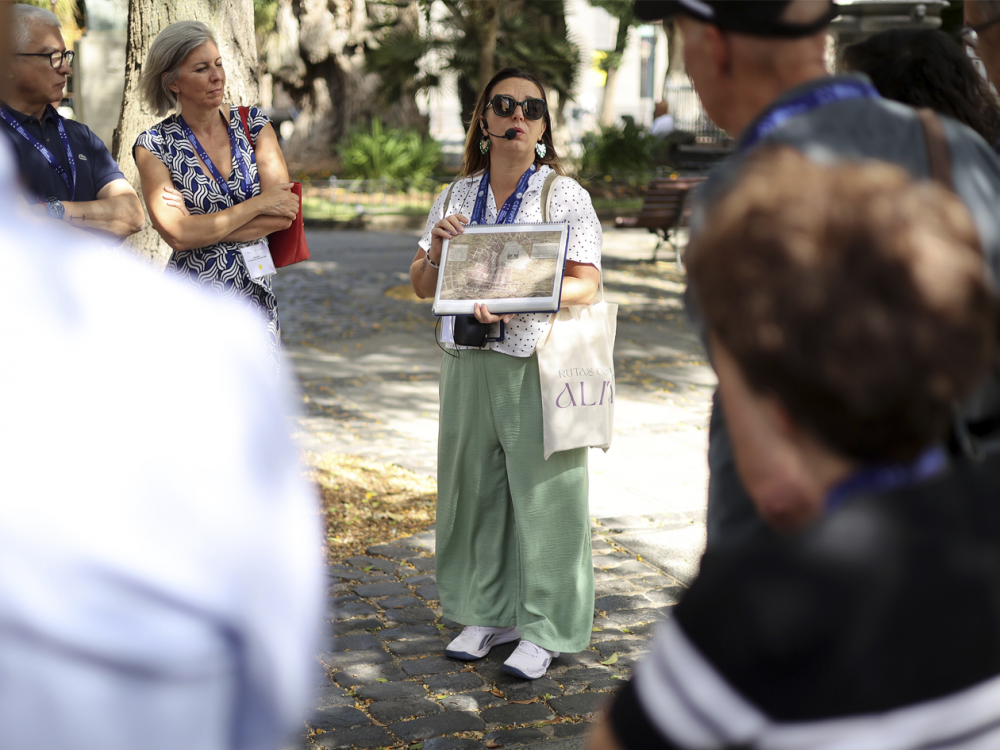
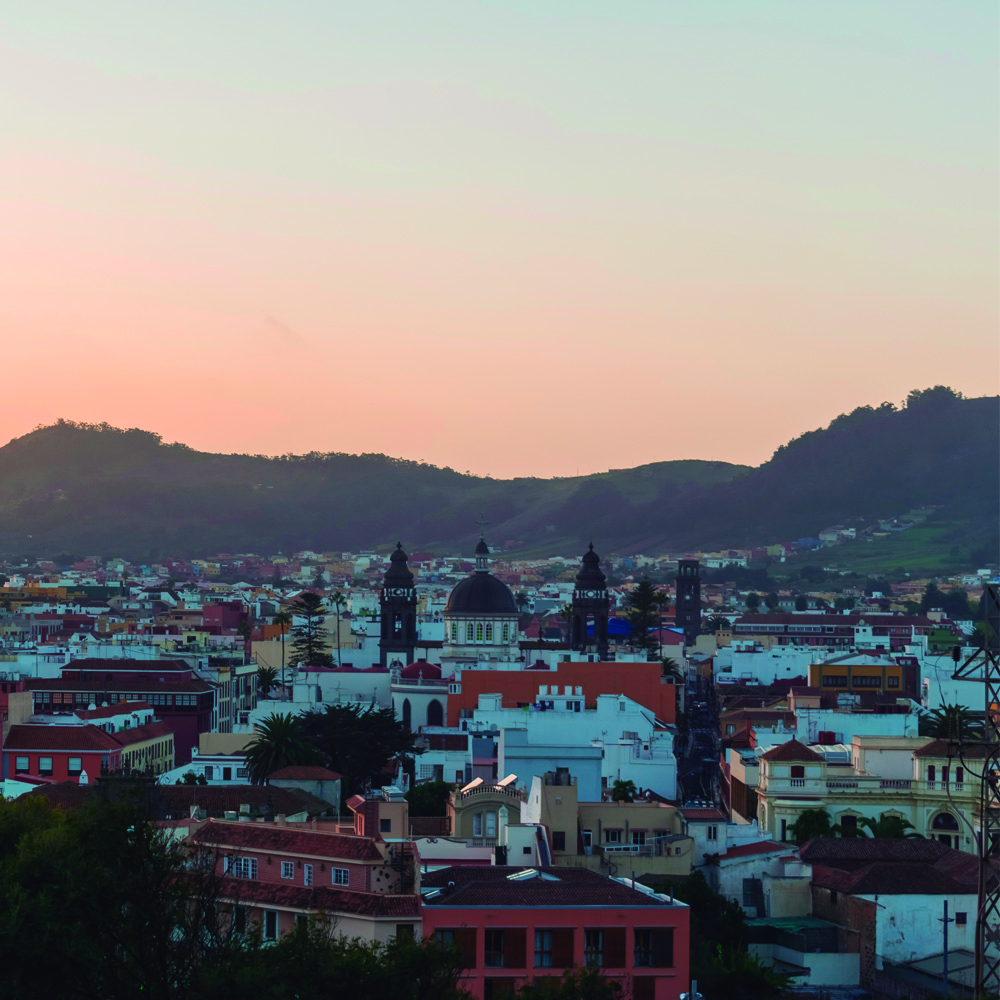
The Campus also offers a wide-ranging cultural program that complements academic activity and highlights the rich historical, cultural, and social heritage of the City of La Laguna. This unique setting, recognized as a UNESCO World Heritage City, boasts a history, original urban layout, and cultural diversity that provide an exceptional backdrop for academic and cultural activities, further enhanced by its dynamism as a university town. This city lent its name to the first Universal Declaration of Human Rights of Future Generations in 1994, which UNESCO adopted in 1997 as the Declaration on the Responsibilities of the Present Generations towards Future Generations.
The cultural offerings include exhibitions and educational activities that encourage reflection on current issues, the promotion of human rights, democratic memory, equality, and the recognition of cultural diversity. These initiatives enrich the experience of participants, fostering dialogue, critical thinking, and the exchange of knowledge from an open and inclusive perspective.
In this way, the Campus is consolidated as a space for meeting, learning and participation, where culture acts as a bridge between academic knowledge, heritage and values that contribute to a more just, inclusive and committed society.
Academic
Committee
- María Belén Melián Batista. Professor of Computer Science and Artificial Intelligence at the University of La Laguna.
- Francisca Carlota Rivero Ortega. Third Deputy Mayor and Councillor for Finance and Economic Services of the La Laguna City Council.
- Desiderio Gutiérrez Taño. University Professor in the area of Marketing in the Department of Business Administration and Economic History of the University of La Laguna.
- José Luis Rivero Ceballos. Professor of Applied Economics at the University of La Laguna.
- Francisco Javier Reyes García. Managing Director of the Fyde CajaCanarias Foundation.
Commitment to
sustainability
The Campus incorporates into its objectives a commitment to the Sustainable Development Goals of the 2030 Agenda, promoting environmentally, socially, and economically sustainable practices. It also champions gender equality, social inclusion, and the democratization of access to knowledge, ensuring that academic activities and their outcomes are accessibleand extending their reach to broader global audiences.