

Inaugural Session
- Revitalization of democracy and human rights
Share:
Date and time
- Monday, July 27, 2026
- 10:00 - 12:00
Place of celebration
Teatro Leal
-
Calle Obispo Rey Redondo, 50
38201, San Cristóbal de La Laguna
Description
The National Court, guarantor of the rule of law.
Democracy must be founded on the rule of law, which, in turn, requires a strong and independent judiciary. The emergence of the judiciary, as conceived, was driven by the constitutionalism of the second half of the 20th century. The new role of the judge became linked to an essential function: that of guarantor of human rights.
The National Court is about to celebrate its fiftieth anniversary, and it has developed in two aspects: criminal, as the optimal way to guarantee a society free from terror and organized crime; and administrative, which has helped to consolidate the rule of law, by subjecting the work of the Administration to judicial control.
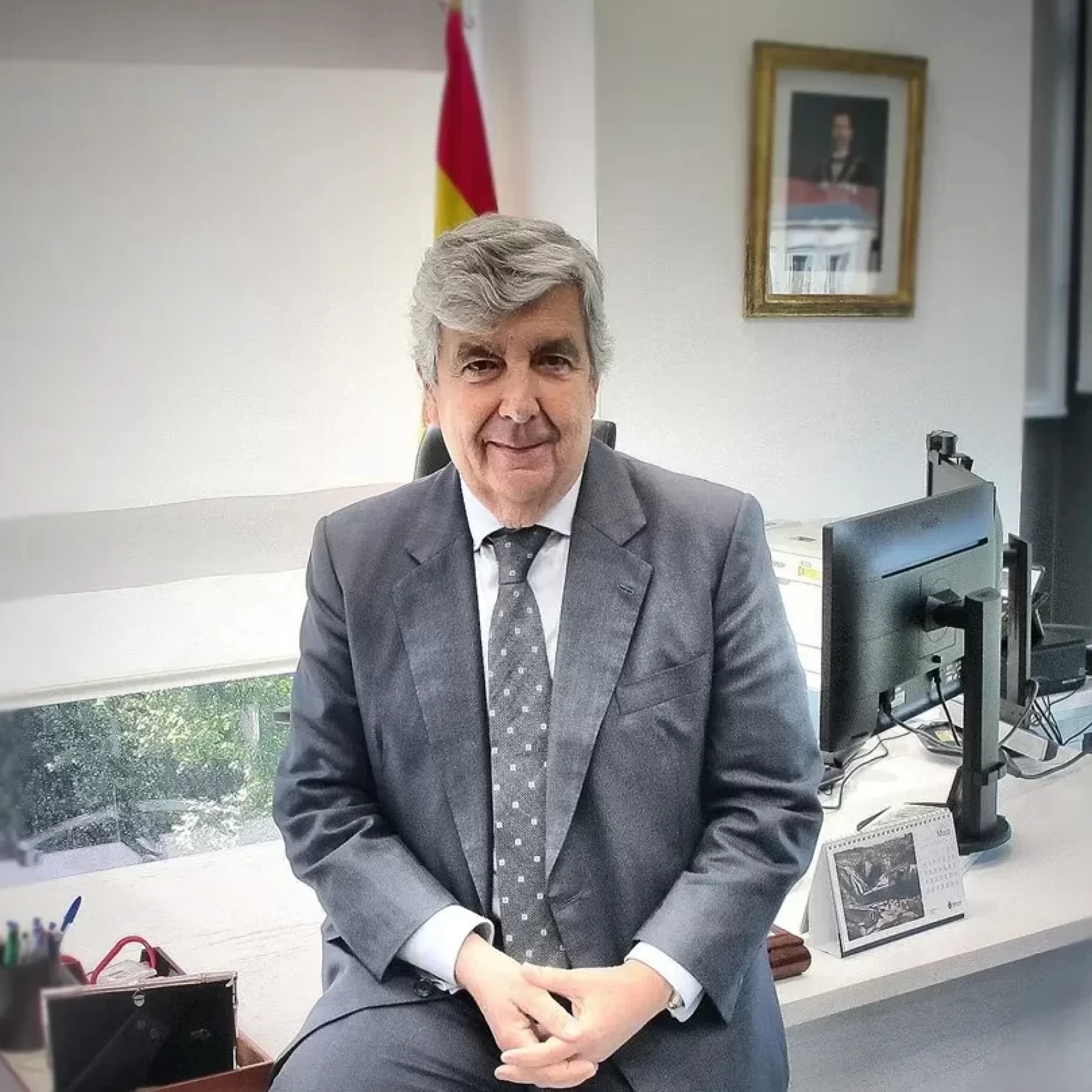
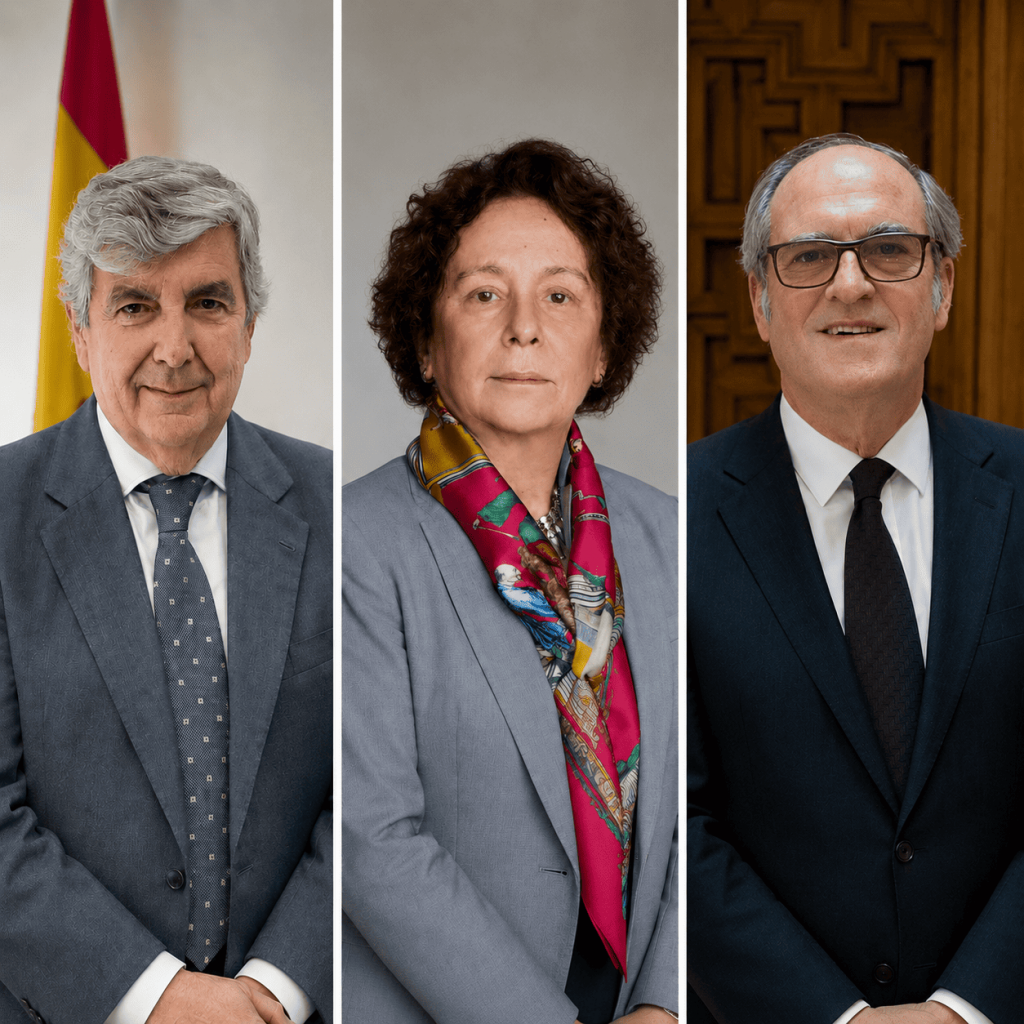
Presented by: Juan Manuel Fernández Martínez, President of the National Court.
The Rule of Law in a Dislocated World : Rules, Power and Human Dignity at the Multilateral Crossroads.
The rules-based multilateral order was never a spontaneous outpouring of legal reason nor a mere codification of good intentions. It was an exceptional historical construct, born from the catastrophe of the Second World War, supported by American power, European memory, multilateral institutions, open trade, legal certainty, and a strong moral principle: the dignity of the person as the ultimate limit of power. Today, we are witnessing not only a crisis of effectiveness in that order, but a deeper crisis: the separation between rules and power, between legality and legitimacy, between procedure and justice, between security and freedom, between the individual and the collective.
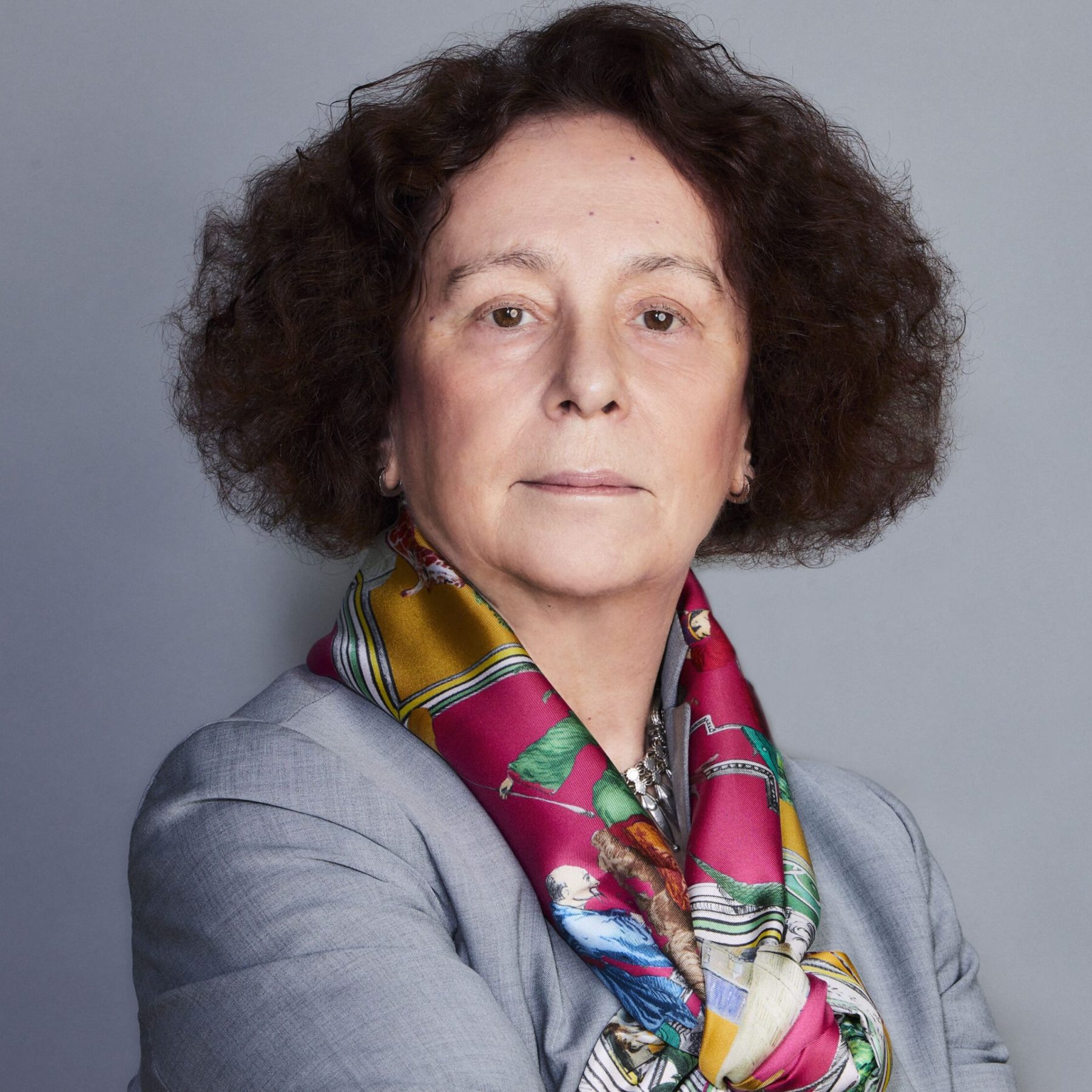
Taught by: Ana Palacio. International Lawyer. She has been Minister of Foreign Affairs, member of the National and European Parliaments, and First Vice President and Advisor of the World Bank Group.
For democratic coexistence.
duties, obligations and rights .
The Universal Declaration of Human Rights calls for the proclamation of civic duties and obligations and the eradication of discrimination. Alongside collective responsibility, individual commitment is key to a just society. Today, jeopardizing coexistence and harmony poses a serious threat to democracy.
A new humanism based on rights, knowledge, and solidarity is urgently needed to address global challenges such as polarization, inequality, and climate change. Democratic quality requires conditions that guarantee inclusion, respecting the dignity and freedom of each individual. Selfish individualism, by prioritizing private interests over the common good, jeopardizes social peace.
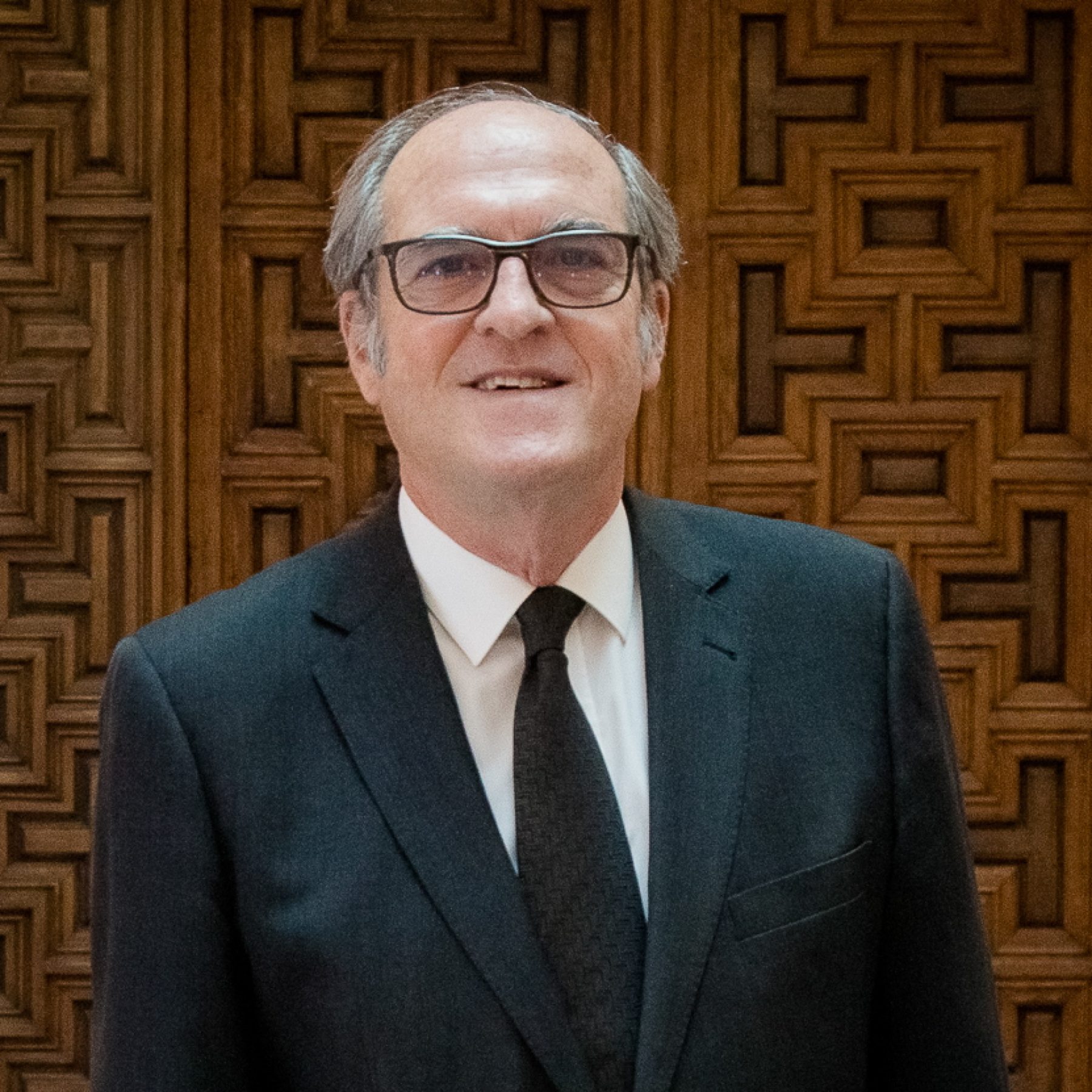
Presented by: Ángel Gabilondo Pujol. Ombudsman of Spain. Professor ofMetaphysicsat the Autonomous University of Madrid. Former Minister of Education.