La Laguna, a city open to global thinking
It is a project that arises from the close collaboration between the Excellency City Council of the city of San Cristóbal de la Laguna, the University of La Laguna and the CajaCanarias Foundation.
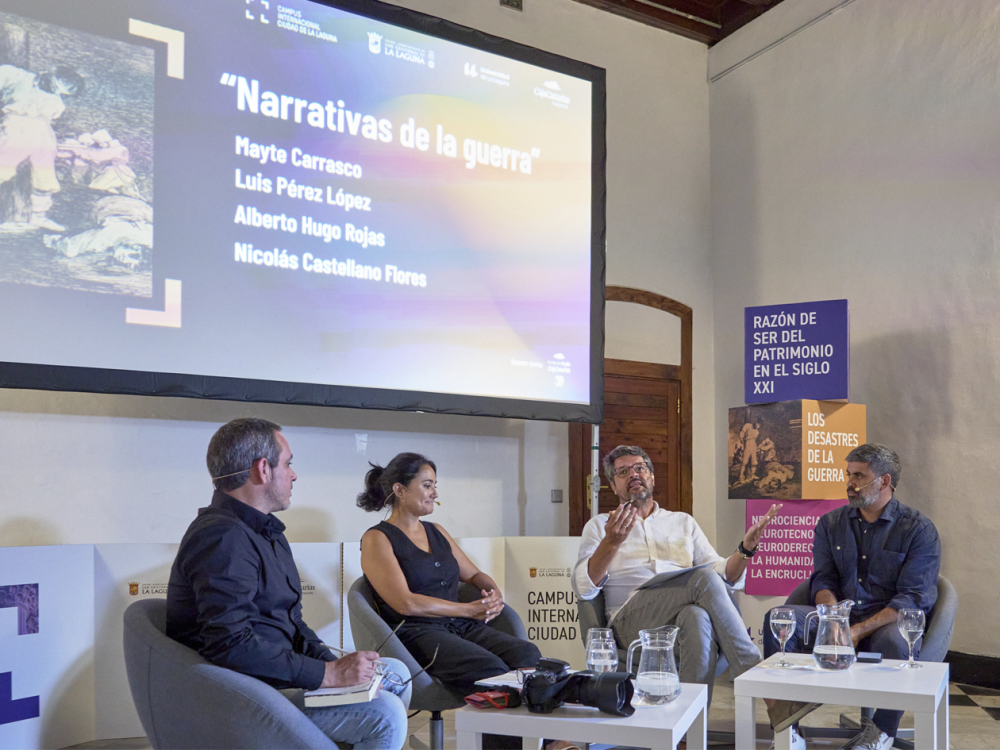
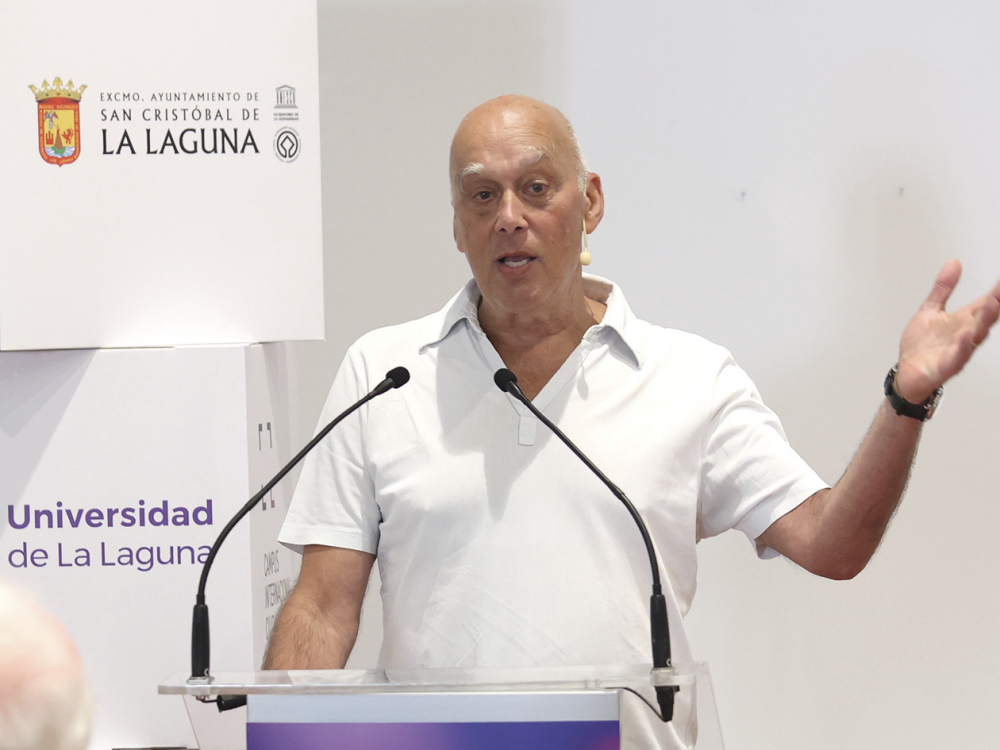
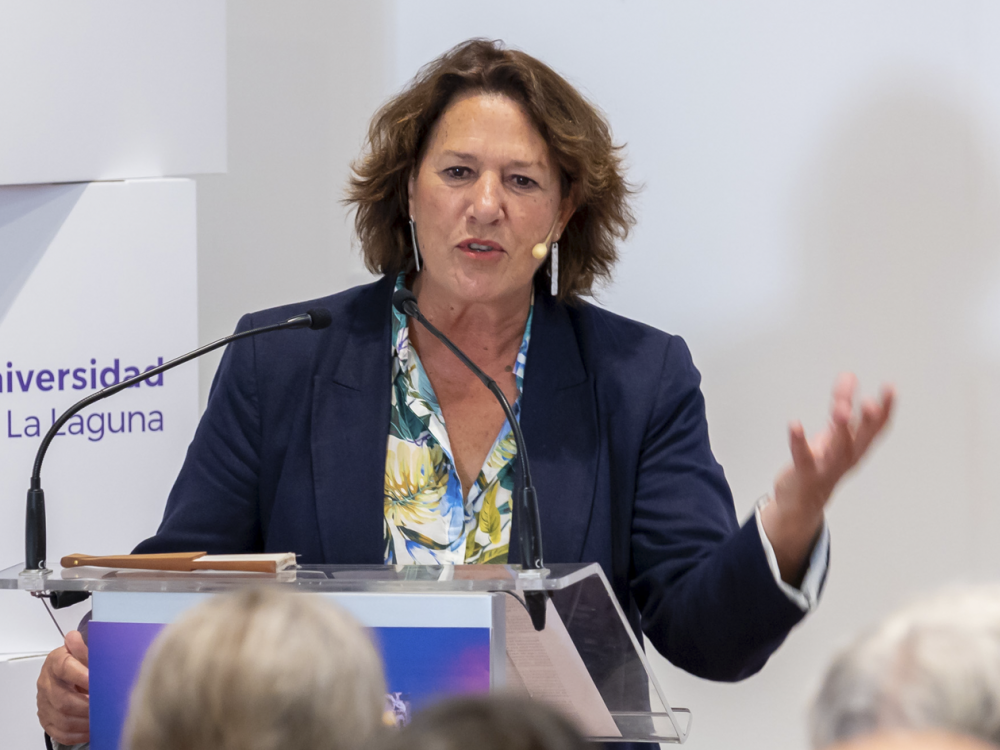
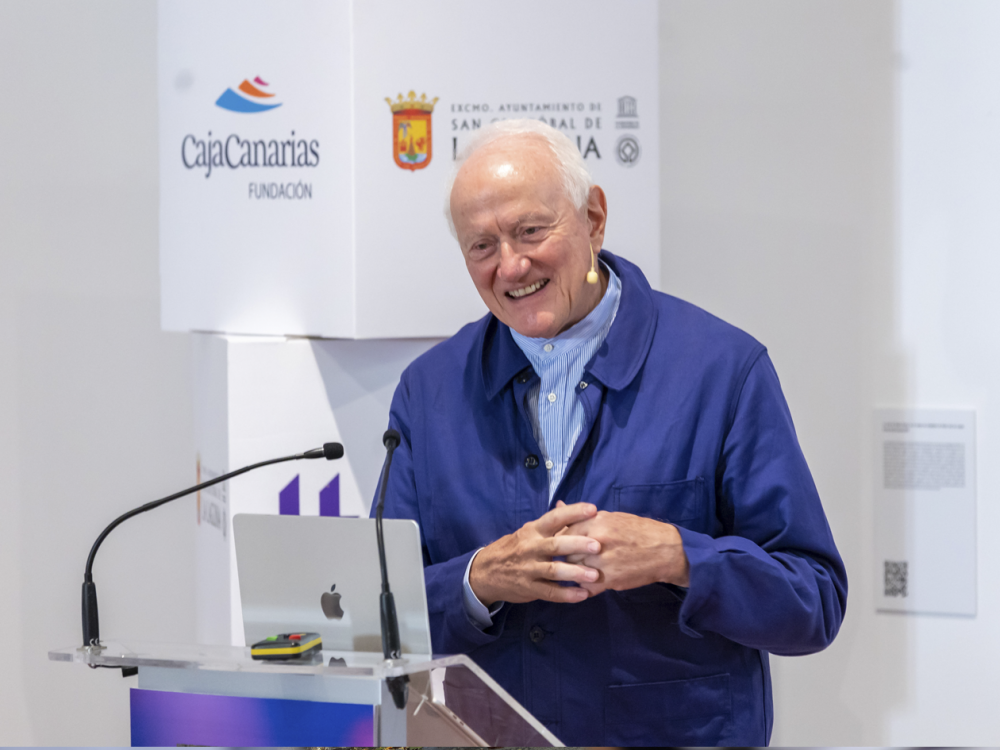
In its first edition, the Campus was structured around three major thematic areas: the disasters of war, the role of cultural heritage in the 21st century and advances in neuroscience, neurotechnology and neurorights, which will be addressed from an interdisciplinary, critical and global perspective, bringing together leading specialists of national and international prestige.

La Laguna, Culture City
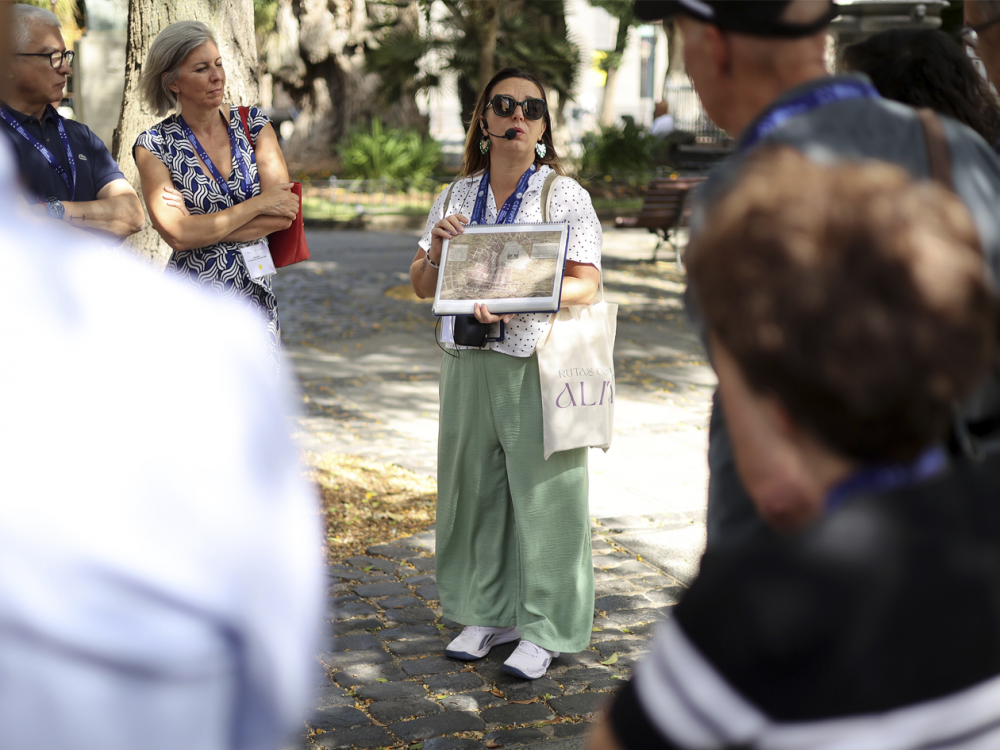
The campus also hosts a variety of cultural activities that intertwine with the academic program, showcasing the cultural, heritage, and social potential of the City of La Laguna. It provides an unparalleled setting, with added symbolic value on the 25th anniversary of its declaration as a UNESCO World Heritage City, recognized for its history, its founding layout, and its commitment to coexistence and cultural diversity.
Academic Committee
- Margarita Ramos Quintana. Professor of Labor Law and Social Security at the University of La Laguna
- José Luis Rivero Ceballos. Professor of Applied Economics at the University of La Laguna
- Desiderio Gutiérrez Taño. Professor of Marketing and Market Research at the University of La Laguna
- María Belén Melián Batista. Professor of Computer Science and Artificial Intelligence of the University of La Laguna
- Francisco Aznar Vallejo. President of the International Center for Heritage Conservation Foundation (CICOP)
- Juan Manuel Palem Salazar. Professor of Architectural Projects of the University of Las Palmas de Gran Canaria
- Francisco Javier Reyes García. Managing Director of the Fyde Cajacanarias Foundation
Commitment to
sustainability
The campus incorporates in its objectives the commitment to the sustainable development objectives of the 2030 Agenda, promoting environmental, social and economic sustainability practices. Likewise, it is committed to gender equality, social inclusion and democratization of access to knowledge, guaranteeing that academic activities and their results are also accessible in online formats, extending its scope to more global audiences.